Central Kalahari Game Reserve, Botswana: Deception Valley, Wildlife and Planning Guide: History & Culture
Discover Central Kalahari Game Reserve, Botswana: Deception Valley, Wildlife and Planning Guide
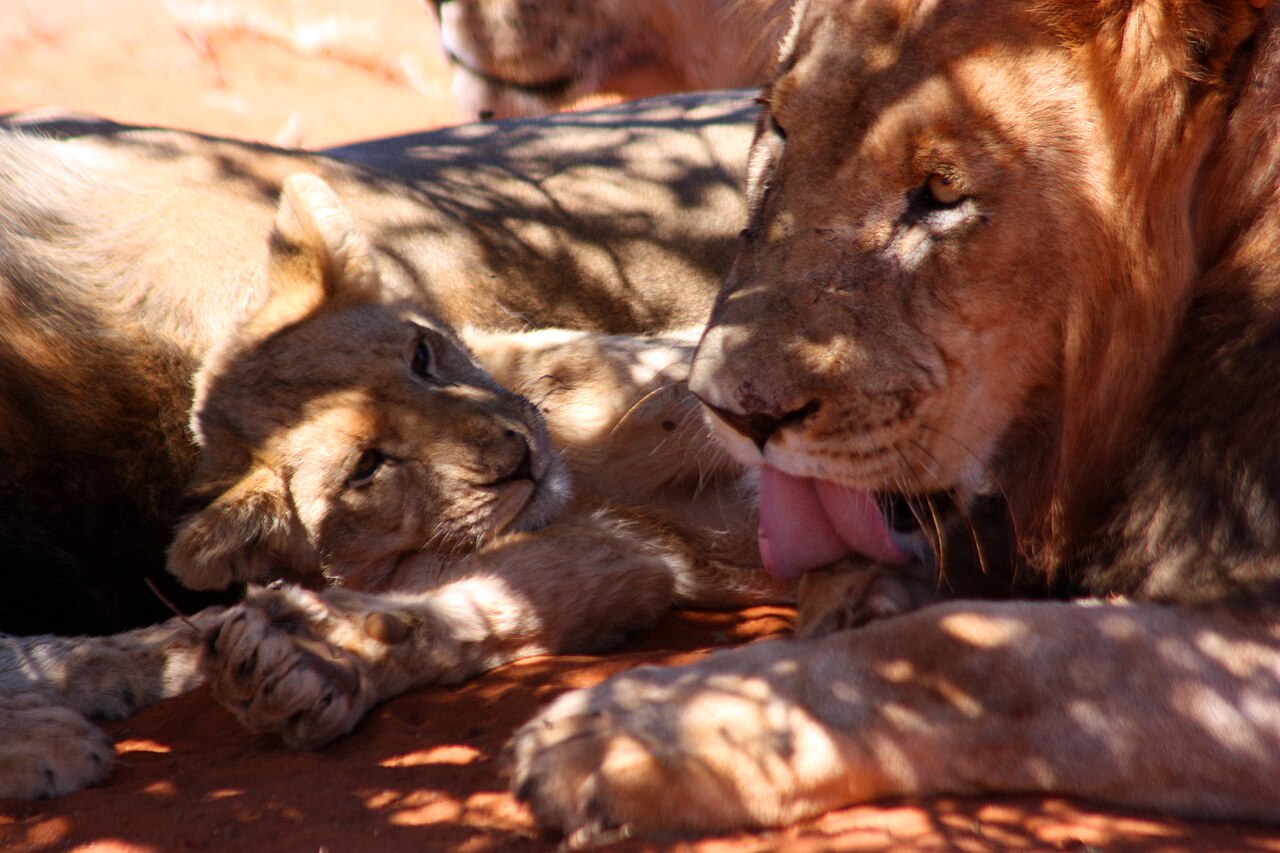
The Central Kalahari Game Reserve (CKGR) lies in central Botswana, in Ghanzi District. It covers about 52,800 km², which makes it one of the largest protected areas in Africa and the second largest game reserve in the world. It is a land of fossil river valleys, sand dunes and salt pans, and it feels very different from the Okavango Delta. This guide covers how to get there, what to see, when to go and how to plan a stay.
Quick facts
- Country: Botswana
- District: Ghanzi District
- Area: about 52,800 km²
- Coordinates: 21°53′22″S 23°45′23″E (about -21.889, 23.756)
- Established: 1961
- Nearest airport: Maun International Airport (MUB), with charter flights to camp airstrips
- Best time: December to March for wildlife concentrations; April to October for drier conditions, better roads and stargazing
- Vehicle: a 4×4 is compulsory
Getting to the Central Kalahari
Maun is the main gateway. It is roughly 250 km from the reserve, about a five-hour drive, although one source puts the distance nearer 300 km. Plan for a long day on the road either way.
No scheduled flights serve the reserve. Charter flights leave from Maun or Kasane (BBK) to camp airstrips, and the flight from Maun takes 45 to 60 minutes.
The reserve has five gates. Four are worth knowing:
- Matswere in the northeast, reached from Rakops. It is the most popular gate with self-drivers and is about 40 km from Deception Valley.
- Xade in the west.
- Tsau in the northwest.
- Kang Gate in the far southwest, reported as opened in 2024. Check its current status before you plan a route around it.
Ghanzi is the western gateway, and the route to Tsau Gate combines tar with a stretch of thick sand. Roads worsen after rain, so build slack into your itinerary in the green season.
Top attractions
Deception Valley
This is the most famous part of the reserve. Its mirage-like pans draw springbok, wildebeest and gemsbok after the summer rains. The valley formed about 16,000 years ago.
Passarge Valley
In the green season, large herbivores gather here, and the predators follow them.
The pans
Piper Pan and the Sunday, Lekhubu, Motopi and Passarge pans are also used as campsite areas. Tau Pan is home to a well-regarded camp and is known for excellent summer game viewing.
Wildlife
The reserve is home to black-maned lions, cheetah, leopard, wild dog, giraffe, elephant, brown hyena, gemsbok, springbok, wildebeest and eland. Expert Africa’s sighting success rates give a realistic picture: wildebeest and oryx 93%, lion 89%, cheetah 29% and brown hyena 16%. Expect the plains game to be easy and the shy predators to be a matter of luck and patience.
Stargazing
The skies are very dark, and the dry season is especially good for stargazing.
Things to do
- Guided game drives in Deception Valley and Passarge Valley.
- San cultural experiences and guided walking safaris.
- Stargazing.
- Self-drive 4×4 and camping trips.
Night drives are allowed only on private reserves, not inside the CKGR itself.
Best time to visit
Green season: December to March
February and March are the peak. Herds gather, the predators follow, and Deception Valley and Passarge Valley are at their best for wildlife. Roads may be muddy.
Dry season: April to October
Wildlife disperses, but roads are better and the stargazing is good. April and September are shoulder months with fewer visitors.
Where to stay
There are two broad options: a lodge or camp, or a self-drive camping trip.
Lodges and camps. Tau Pan Camp is a comfortable camp in the Tau Pan area, known for excellent summer game viewing. Expert Africa suggests about three nights at lodges, or five to eight nights on mobile safaris, to get a proper feel for the reserve.
Camping. Campsites are unfenced and basic, so you need to be fully self-sufficient. Confirm facilities, prices and booking arrangements before you travel. Also stock up on food and supplies in Maun, Ghanzi or Rakops, because there is nowhere to buy them inside the reserve.
Compare stays for the wider region in our Botswana guides, and see related destinations such as the Okavango Delta and Moremi (from Maun), Makgadikgadi, Khutse Game Reserve to the south, and the Ghanzi farms and San culture to the west.
History and the San people
The CKGR was established in 1961. The San (Bushmen) have lived in this landscape for millennia as nomadic hunters. From the mid-1990s the government relocated residents: in 1997 about three quarters of the San population were relocated, and further removals in 2005 left about 250 residents. A 2006 court ruling found the evictions unlawful and recognised indigenous land rights. The situation of the San and their access to traditional land is still a sensitive subject, and visitors should check current information before travelling.
In 2014 the Ghaghoo diamond mine opened in the southeast of the reserve.
Planning tips
- Bring a 4×4. It is compulsory, and roads get worse after rain.
- Allow a full day to reach the reserve from Maun.
- Choose your season by what you want: herds in February and March, or easier roads and night skies from April to October.
- Confirm entry fees, gate status and booking arrangements before you travel.
Photo: Benjamin Hollis from Seattle, WA, USA, CC BY 2.0, via Wikimedia Commons.
Frequently asked questions
How big is the Central Kalahari Game Reserve?
About 52,800 km² in Botswana’s Ghanzi District — one of the largest protected areas in Africa and the second-largest game reserve in the world.
How do I get to the Central Kalahari Game Reserve?
It’s roughly 250–300 km from Maun, about a five-hour drive to Matswere Gate in the northeast, the most popular entrance for self-drivers. Charter flights from Maun or Kasane to camp airstrips take 45–60 minutes; there are no scheduled flights.
Is the Central Kalahari safe for a self-drive safari?
Only for travellers with real 4×4 bush experience. The routes combine tar with thick sand, roads worsen after rain, and there’s nowhere inside the reserve to buy fuel or supplies — stock up in Maun, Ghanzi or Rakops first.
When is the best time to visit the Central Kalahari?
The reserve has two seasons: a green season (December to March) with dramatic skies and predator action around Deception Valley’s pans, and a dry season (April to October) when wildlife concentrates more predictably.
What is Deception Valley?
The Central Kalahari’s most famous attraction — a network of mirage-like fossil pans that draw springbok, wildebeest and gemsbok after the summer rains, and one of the best areas in the reserve for predator sightings.
About the author
Makume Toti is a digital marketing veteran with 15+ years of cross-vertical experience and a 12-year foundational career in the airline industry. He leverages his extensive insider knowledge of travel and enterprise SEM & AIO expertise to curate authoritative guides to Southern Africa for ExploreMzansi.
Deception Valley, Passarge Valley, Piper Pan, Tau Pan, San cultural experiences, stargazing, game drives