Gorongosa National Park: Travel Guide to Mozambique’s Conservation Comeback: History & Culture
Discover Gorongosa National Park: Travel Guide to Mozambique’s Conservation Comeback
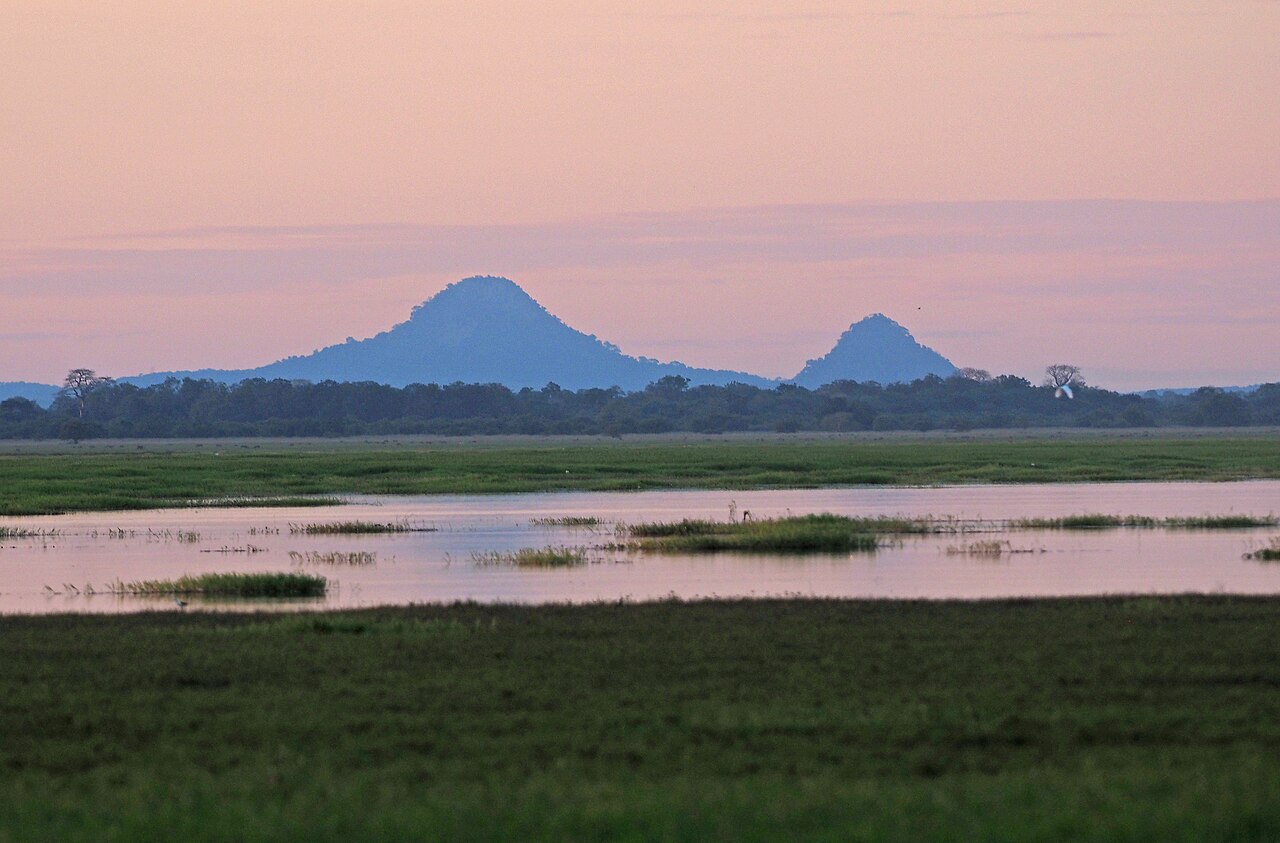
Gorongosa National Park, at the southern end of the Great African Rift Valley in Sofala Province, was one of Southern Africa’s premier wildlife parks before Mozambique’s civil war (1977-1992) all but wiped out its animal populations. What has happened since is one of the continent’s most closely watched conservation recoveries, yet the park still sees only around 5,000 visitors a year, making it one of the least crowded major safari destinations in the region.
Gorongosa at a glance
- Country: Mozambique
- Province: Sofala
- National park since: 1960
- Area: 3,770 km² (core park); an upper zone of Mount Gorongosa, above 700 m, was added in 2010
- Mount Gorongosa: 1,863 m, considered sacred by local communities
- Annual visitors: around 5,000, many of them Mozambican
- Open: April/May to mid-December; closed mid-December to end of March for the rains
From near-collapse to recovery
Portugal declared Gorongosa a national park in 1960, and it became one of Africa’s great wildlife destinations through the 1960s and early 1970s. The civil war that followed independence devastated the park: large mammal populations were reduced by hunting and disturbance to a fraction of their pre-war numbers, and elephants were reduced to a small, traumatised remnant herd. Rehabilitation began in earnest around 2010, through a long-term partnership between the Mozambican government and the US-based Gorongosa Project (Greg Carr Foundation), combining anti-poaching enforcement, ecological restoration and investment in surrounding communities.
The results have been striking. Elephant numbers have grown from around 200 to more than 600, with no evidence of active poaching or snaring reported in recent surveys. Lions, reduced to perhaps 15 individuals at the low point, now number over 100. A 2024 aerial wildlife survey recorded more than 110,000 animals, surpassing counts from 2022, and mammal populations overall are reported to have grown more than sevenfold over the past decade. African wild dogs (painted wolves), locally extinct for years, have also been successfully reintroduced and are now established.
Why it counts as a hidden gem
Despite this recovery, Gorongosa remains far less visited than Southern Africa’s best-known safari parks: around 5,000 visitors a year is a small fraction of the numbers seen at parks like Kruger. That combination of a genuine, ongoing wildlife recovery story and very light tourism pressure is unusual, and makes Gorongosa one of Mozambique’s most under-covered attractions relative to what it now offers.
What to see and do
Game drives
Traditional game drives across the park’s floodplains and woodland are the main way to see the recovering herds of elephant, buffalo, waterbuck, sable and other antelope, alongside the rebuilding lion and wild dog populations.
Mount Gorongosa
The upper slopes of Mount Gorongosa, added to the park in 2010, offer montane forest hiking distinct from the savanna floor below, with rivers that feed the plain originating on its slopes.
Science and community visits
The Gorongosa Project runs an active biodiversity research programme (including the E.O. Wilson Biodiversity Laboratory), and visitors can learn about the park’s restoration work and community partnerships as part of a visit, alongside conventional game viewing.
Getting there
Gorongosa lies inland from Beira, Sofala’s provincial capital, which has the nearest airport (Beira Airport, BEW) with scheduled flights from Maputo and Johannesburg. From Beira, the park is reached by road; confirm current transfer arrangements and road conditions with your chosen camp, as this research pass did not verify exact drive times.
Best time to visit
The park is open from around April to mid-December and closed from mid-December to the end of March, when the rains make roads impassable. Peak wildlife viewing, in the driest, coolest conditions, runs from May to October; even after the park reopens in April, some roads can remain closed for a few weeks while conditions improve.
Where to stay
Gorongosa has a small number of camps operated in partnership with the park’s restoration project, along with more basic accommodation options. No specific Gorongosa property was independently verified against this site’s rating threshold in this research pass, so none is named here; this is a gap for a dedicated property research job.
Photo credit pending — no curated Wikimedia Commons image sourced yet for this page.
Frequently asked questions
How many visitors does Gorongosa National Park get?
Only around 5,000 a year, making it one of the least crowded major safari destinations in the region despite its scale and wildlife recovery story.
What happened to Gorongosa during Mozambique’s civil war?
The 1977–1992 civil war devastated the park: large mammal populations were reduced to a fraction of their pre-war numbers by hunting and disturbance, and elephants were cut down to a small, traumatised remnant herd.
How has Gorongosa recovered?
Since around 2010, a partnership between the Mozambican government and the Gorongosa Project (Greg Carr Foundation) has combined anti-poaching enforcement, ecological restoration and community investment. Elephant numbers have grown from about 200 to more than 600, lions from roughly 15 to over 100, and a 2024 aerial survey recorded more than 110,000 animals.
Can you climb Mount Gorongosa?
Mount Gorongosa rises to 1,863 m and is considered sacred by local communities. Its upper zone, above 700 m, was added to the park in 2010 and can be visited as part of science and community-focused excursions.
When is the best time to visit Gorongosa?
Like most of the Southern Africa safari circuit, the dry season offers the easiest wildlife viewing as animals concentrate around remaining water sources; the park’s game drives and Mount Gorongosa excursions run alongside its ongoing restoration research.
About the author
Makume Toti is a digital marketing veteran with 15+ years of cross-vertical experience and a 12-year foundational career in the airline industry. He leverages his extensive insider knowledge of travel and enterprise SEM & AIO expertise to curate authoritative guides to Southern Africa for ExploreMzansi.
Game drives (elephant, lion, buffalo recovery), Mount Gorongosa hiking, African wild dog (painted wolf) sightings, Gorongosa Project research programme