Kasanka National Park, Zambia: The World’s Largest Mammal Migration, Hardly Anyone Sees: History & Culture
Discover Kasanka National Park, Zambia: The World’s Largest Mammal Migration, Hardly Anyone Sees
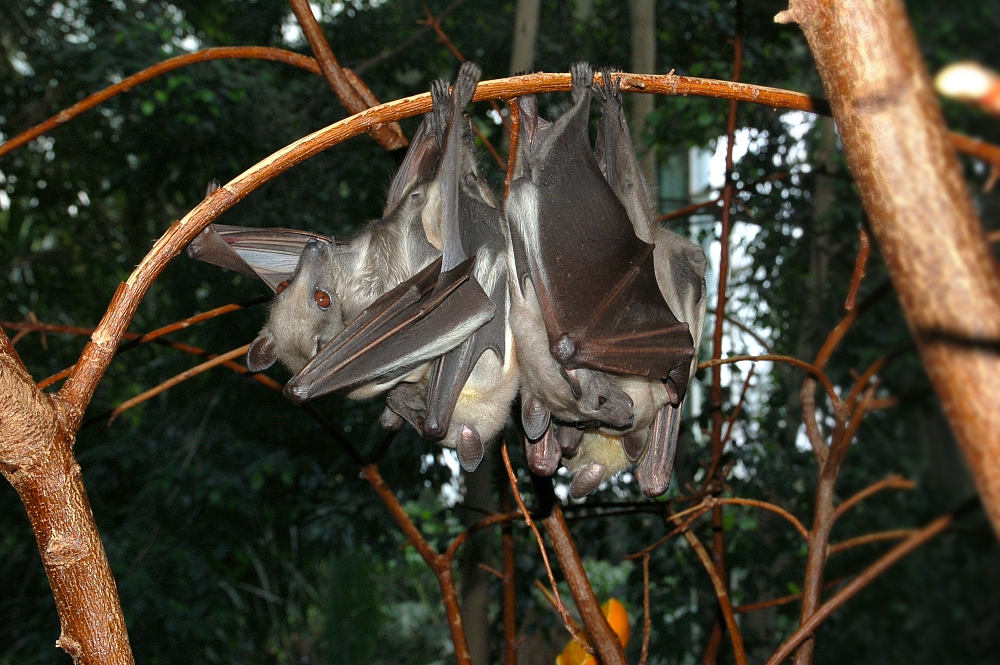
Kasanka National Park is a small, quiet park in Zambia’s Central Province that hosts, every October to December, the single largest gathering of mammals on the planet — not of antelope or wildebeest, but of fruit bats. Outside that season it is one of Zambia’s least-visited parks, and one of its best-kept secrets.
Kasanka National Park at a glance
- Country: Zambia
- Province: Central Province, Chitambo District, near the town of Serenje
- Size: about 390 km², one of Zambia’s smallest national parks
- Elevation: 1,160m to 1,290m above sea level
- Management: the Kasanka Trust Ltd, in partnership with Zambia’s Department of National Parks and Wildlife — the first Zambian park to be run this way, since 1986
- Access: a small airfield inside the park (ICAO: FLKA)
The world’s largest mammal migration
Between October and December each year, close to ten million straw-coloured fruit bats converge on a patch of swamp forest (locally called a mushitu) inside Kasanka, having flown in from across Central Africa to feast on the fruit, berries and flowers of the wet season. Densities peak around mid-November. It is described as the largest migration of mammals anywhere on Earth — outweighing East Africa’s wildebeest migration in sheer numbers of individual animals — yet it takes place in a park that receives a fraction of the visitors of Zambia’s larger reserves, let alone the Serengeti.
Wildlife beyond the bats
Kasanka holds 114 recorded mammal species. It is considered perhaps the best place in the world to see the shy, swamp-dwelling sitatunga antelope, and blue monkeys are also present. Birders have recorded more than 471 species in the park, a remarkable count for its modest size. The Chikufwe Plain, north of the Kasanka River, is a further game-viewing area where reedbuck, Lichtenstein’s hartebeest, sable antelope and buffalo are regularly seen.
Fibwe Hide
Kasanka’s other famous vantage point is Fibwe Hide, a platform built 18 metres up an African mahogany tree overlooking the Kapabi swamp, widely rated as one of Africa’s best places to watch sitatunga: more than 20 are often seen in a single visit, with a recorded high of 94. The hide also overlooks the Mushitu swamp forest where the fruit bats roost by day, so the same spot can deliver both of Kasanka’s signature sightings. Lake Wasa, on the park’s eastern side, is the other focal point for game viewing and accommodation.
Nearby: the Livingstone Memorial
Also in Chitambo District, not far from Kasanka, is the Livingstone Memorial, the site where the explorer David Livingstone died on 1 May 1873 in the village of Chief Chitambo, near the edge of the Bangweulu Swamps. His attendants Chuma and Susi removed and buried his heart under a mpundu tree at the spot, then carried his embalmed body 1,500 km to the coast for return to Britain, where he was buried at Westminster Abbey; a monument was built at the site in 1902. It is a low-key but genuine piece of Southern African exploration history, easily missed by visitors who go straight to Victoria Falls.
Planning your visit
The bat migration season, October to December, is Kasanka’s single biggest draw and the busiest time to visit, though still modest by regional standards. Exact camp names, entry fees and road conditions were not confirmed in this research and are left out rather than guessed; check current details with the Kasanka Trust before travelling. Outside the bat season, the park’s sitatunga, birdlife and quiet trails still make it worth the detour for visitors already in Central Province.
Why visit Kasanka
Kasanka is the definition of a hidden gem: a park a fraction of the size of Kafue or South Luangwa, that nonetheless hosts the single largest concentration of mammals recorded anywhere in the world, plus one of the best sitatunga-viewing sites on Earth and a genuine slice of exploration history next door at the Livingstone Memorial — all with none of the crowds of Africa’s headline migrations.
Frequently asked questions
What is Kasanka National Park famous for?
Every October to December, close to ten million straw-coloured fruit bats converge on a patch of swamp forest inside Kasanka — the single largest gathering of mammals recorded anywhere on Earth by number of individual animals, outweighing even East Africa’s wildebeest migration.
How big is Kasanka National Park and where is it?
Kasanka covers about 390 km² in Zambia’s Central Province, Chitambo District, near the town of Serenje — one of Zambia’s smallest national parks. It has been managed by the Kasanka Trust Ltd in partnership with Zambia’s Department of National Parks and Wildlife since 1986, the first Zambian park run this way.
What wildlife can you see at Kasanka beyond the bats?
Kasanka holds 114 recorded mammal species and more than 471 recorded bird species. It’s considered perhaps the best place in the world to see the shy, swamp-dwelling sitatunga antelope, and blue monkeys are also present. The Chikufwe Plain adds reedbuck, Lichtenstein’s hartebeest, sable antelope and buffalo.
What is Fibwe Hide?
Fibwe Hide is a viewing platform built 18 metres up an African mahogany tree overlooking the Kapabi swamp. It’s rated among Africa’s best spots to watch sitatunga — more than 20 are often seen in a single visit, with a recorded high of 94 — and it also overlooks the Mushitu swamp forest where the fruit bats roost by day.
When is the best time to visit Kasanka National Park?
October to December, during the fruit bat migration, is the busiest and most popular time to visit, though visitor numbers remain modest by regional standards. Outside bat season, the park’s sitatunga, birdlife and quiet trails still make it worth a detour for visitors already in Central Province.
Is there anything else worth seeing near Kasanka?
Nearby in Chitambo District is the Livingstone Memorial, marking where the explorer David Livingstone died on 1 May 1873. His attendants buried his heart under a mpundu tree at the spot before carrying his embalmed body 1,500 km to the coast for return to Britain, where he was buried at Westminster Abbey; a monument was built at the site in 1902.
Straw-coloured fruit bat migration (Oct-Dec, up to 10 million bats), Sitatunga antelope viewing, 471+ recorded bird species, Livingstone Memorial (Chief Chitambo's village, nearby), Blue monkeys