Hwange National Park: Travel Guide to Zimbabwe’s Elephant Kingdom: History & Culture
Discover Hwange National Park: Travel Guide to Zimbabwe’s Elephant Kingdom
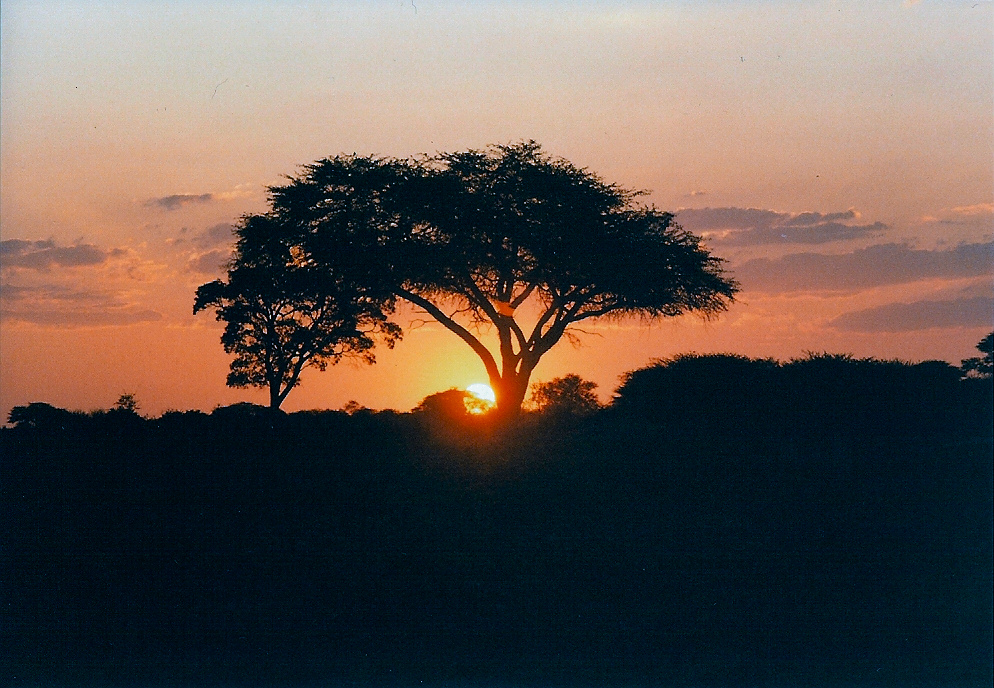
Hwange National Park is Zimbabwe’s largest national park, covering 14,651 km² of Kalahari sandveld and teak woodland in the country’s northwest. It has no permanent river, so its waterholes, many pumped since the 1930s, are the reason the park holds one of the largest elephant populations left on Earth. This guide covers the park’s history, its wildlife, and where to base a visit.
Hwange at a glance
- Country: Zimbabwe
- Province: Matabeleland North
- Size: 14,651 km², Zimbabwe’s largest national park
- Established: game reserve in 1928; national park status in 1961
- Nearest town: Dete
- Nearest airport: Hwange National Park Airport (HWN)
- Wildlife: over 100 mammal and 400 bird species; an estimated 45,000 elephants
- Best time to visit: July to October, the dry season, when animals concentrate at waterholes
History
The Rhodesian government declared the reserve in 1928. Ted Davison, a 22-year-old tsetse-control officer, became its first warden that September and spent the next 33 years developing it, laying out roads and firebreaks and sinking the boreholes and windmills that still water the park today. It was known as Wankie Game Reserve for decades before adopting the Ndebele-derived name Hwange, and gained full national park status in 1961.
Conservation has not been without setbacks: a 2013 cyanide poisoning incident killed a large number of elephants in what was described as the worst mass wildlife poisoning in Southern Africa in 25 years, and the park drew international attention again after a well-known collared lion was killed just outside its boundary in 2015. Anti-poaching and research programmes, including the Painted Dog Project and a National Leopard Project, now operate inside the park.
Wildlife and what to see
Hwange has no permanent river, so its network of pumped waterholes concentrates wildlife for viewing, especially in the dry months when natural pans dry out. Nineteen large herbivore species and eight large carnivores are recorded here. Elephant numbers are among the highest of any protected area anywhere, and the park holds one of Africa’s largest surviving populations of African wild dog, alongside lion, leopard, cheetah and spotted hyena.
Most of the safari lodges and camps sit along the park’s northern and eastern boundaries, near Dete and Sinamatella, with game drives, walking safaris and hide-based waterhole viewing the main activities.
Getting there
Hwange National Park Airport (HWN) serves the park directly, and Victoria Falls Airport, about two hours’ drive away, is the nearest international gateway. The park also sits on the main road between Bulawayo and Victoria Falls, making it easy to combine with a Victoria Falls trip.
Self-driving and the park’s camps
Hwange is one of the more accessible Zimbabwean parks for a self-drive visit, with several ZimParks-run camps as anchors. From Bulawayo, the standard route covers about 283 km towards Victoria Falls before a left turn at Cross Mabale onto 23 km of tar into the park at Main Camp; an alternative runs 145 km through the park itself, past Main Camp, to reach Robins Camp in the northwest. From Victoria Falls, Robins Camp is reached by driving 46 km along the Hwange road, then turning off at the Pandamatenga turnoff for a further 64 km. Sinamatella Camp, on a bluff overlooking its own valley, branches off the main Bulawayo-Victoria Falls road on a roughly 45 km gravel track via Mbala Lodge in the Deka Safari Area; it sits about 60 km from Robins Camp and 140 km from Main Camp, with the road between them usable in the dry season.
Seasons and practicalities
The dry season, roughly May to October, is the classic time to visit: thinning bush and shrinking natural pans push game toward the park’s pumped waterholes, making sightings easier, with September and October the peak for large elephant herds. The rainy season, November to April, brings green scenery, migrant birdlife and newborn animals, though wildlife disperses more widely across the park and some of the gravel roads between camps can be harder going. Hwange lies in a malaria area, so anti-malarial precautions are worth arranging in advance, and fuel and supplies should be topped up before entering the park, since options inside its boundaries are limited.
Where to stay
Lodges cluster mainly around Dete, just outside the park’s Main Camp entrance, and inside the park at Sinamatella and other camps. Hwange Safari Lodge, near the Main Camp entrance, is rated 8.3/10 from 45 verified reviews on Booking.com; a full write-up is at our Hwange Safari Lodge page. Other named lodges in the area include Hwange Main Camp, Nantwich Lodge and The Hide, a tented camp with hundreds of TripAdvisor reviews; we have not yet verified a specific rating and review count for each of these, so only Hwange Safari Lodge is covered as a full stay listing for now.
Frequently asked questions
How big is Hwange National Park?
Hwange covers 14,651 km² of Kalahari sandveld and teak woodland in Zimbabwe’s Matabeleland North province, making it the country’s largest national park.
Why does Hwange have so many elephants if it has no rivers?
Hwange has no permanent river, so its network of waterholes — many pumped since the 1930s — concentrates wildlife for viewing, especially in the dry months when natural pans dry out. This is why the park holds an estimated 45,000 elephants, among the highest elephant numbers of any protected area anywhere.
What is the history of Hwange National Park?
The Rhodesian government declared the reserve in 1928. Ted Davison, a 22-year-old tsetse-control officer, became its first warden that September and spent the next 33 years developing it, laying out roads and firebreaks and sinking the boreholes that still water the park today. It was known as Wankie Game Reserve for decades before adopting the name Hwange and gaining full national park status in 1961.
What wildlife can you see in Hwange?
Nineteen large herbivore species and eight large carnivores are recorded here, along with over 100 mammal and 400 bird species overall. The park holds one of Africa’s largest surviving populations of African wild dog, alongside lion, leopard, cheetah and spotted hyena.
Has Hwange faced conservation challenges?
Yes. A 2013 cyanide poisoning incident killed a large number of elephants in what was described as the worst mass wildlife poisoning in Southern Africa in 25 years, and the park drew international attention again after a well-known collared lion was killed just outside its boundary in 2015. Anti-poaching and research programmes, including the Painted Dog Project and a National Leopard Project, now operate inside the park.
When is the best time to visit Hwange, and how do you get there?
July to October, the dry season, is best, when animals concentrate at waterholes. Hwange National Park Airport (HWN) serves the park directly, Victoria Falls Airport is about two hours’ drive away, and the park sits on the main road between Bulawayo and Victoria Falls, making it easy to combine with a Victoria Falls trip.
Waterhole game viewing, elephant herds, African wild dog, Painted Dog Conservation, walking safaris, Sinamatella