Butha-Buthe district is the northern gateway to the Lesotho Highlands — a compact mountain kingdom where traditional Basotho culture, genuine adventure and Africa’s only ski resort converge in one of the continent’s least-visited and most rewarding destinations.
What Makes Butha-Buthe Special
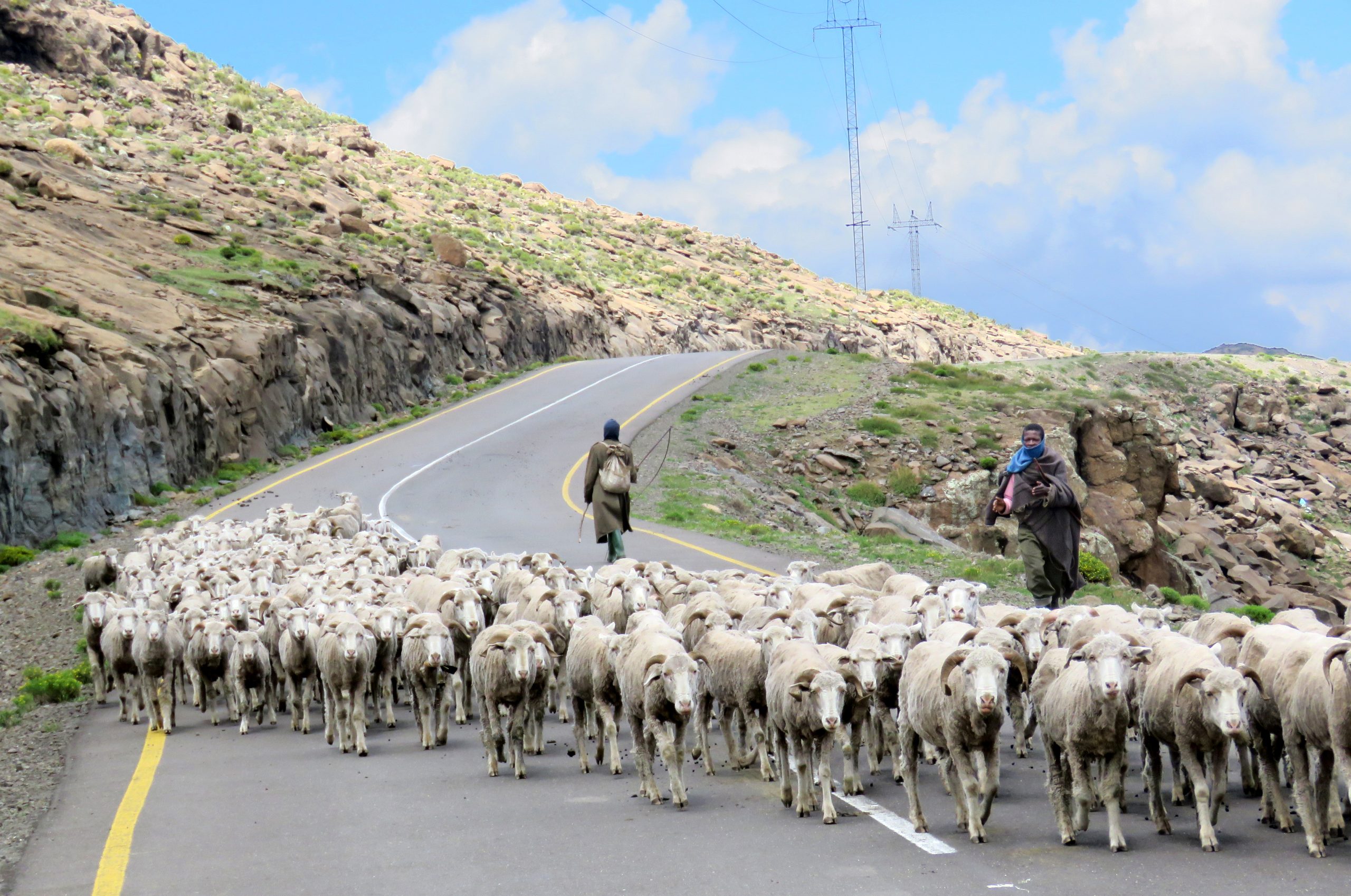
Most travellers cross into Lesotho from the south, via Maseru. But those who enter via the Caledonspoort border post in the north, through Butha-Buthe district, are rewarded with the country’s most dramatic highland scenery, proximity to AfriSki Mountain Resort, and a much more authentic experience of rural Basotho life than the capital offers.
AfriSki Mountain Resort
Africa’s only ski resort sits at 3,222 metres above sea level in the Maluti Mountains, 75 km from Butha-Buthe town. The season runs July to September; snowmaking supplements natural snowfall to guarantee skiing conditions. The resort offers ski and snowboard lessons for beginners, a terrain park for more experienced riders, and — uniquely — the experience of skiing on the African continent. Even off-season, the drive up to AfriSki is spectacular and the lodge restaurant is worth the trip.
Tsehlanyane National Park
Lesotho’s most ecologically significant protected area lies 35 km from Butha-Buthe. Tsehlanyane encompasses high-altitude Afro-montane forest, pristine mountain rivers, San rock art sites and rare birdlife including the bearded vulture (lammergeier). The park can only be accessed on foot or horseback — which is exactly the point. Day hikes and multi-day pony trekking expeditions can be arranged through local guides.
Liphofung Cultural & Leisure Site
A cave system at the foot of the Maluti Mountains, Liphofung is both archaeologically significant (used by King Moshoeshoe I as a royal retreat in the 19th century) and culturally important. The visitor centre provides excellent context for understanding the founding of the Basotho nation and the history of the mountain kingdom.
Basotho Pony Trekking
The Basotho pony — a hardy, sure-footed mountain breed developed over generations — is the traditional transport of the Lesotho highlands. Multi-day pony treks through the mountains, overnighting in remote Basotho villages, are among the most authentic travel experiences available in Southern Africa. Butha-Buthe district is the best base for northern highland treks.
Where to Stay
Qhanolla Guest House ★★★
Phahameng Road, Butha-Buthe — rated 9.5/10 Exceptional across 24 verified reviews. An exceptional family-run guesthouse in the Phahameng township, 75 km from AfriSki. Six rooms (four king en-suite, two twin) in a quiet, well-maintained property with outstanding hospitality. From R1,100 per night. The owners arrange local guides for pony trekking and Liphofung visits.
Getting There
From South Africa, enter via the Caledonspoort border post, through Fouriesburg from Clarens in the Free State. The border is open daily 06:00–22:00. Visa rules depend on your passport: see our Caledonspoort border post guide for hours, documents and what to expect. A 4×4 vehicle is recommended for highland roads, especially in winter. From Johannesburg: approximately 4.5 hours to the border.
Essential Tips
- Bring South African Rand — widely accepted alongside Lesotho Loti (the two currencies are at parity)
- Pack warm clothing even in summer — highland temperatures drop sharply at night
- Altitude awareness: Butha-Buthe town is at 1,800m; AfriSki at 3,222m — take it easy on arrival
- Fuel up on the South African side of the border — fuel availability in Butha-Buthe district is limited
- Respect traditional dress codes in villages — ask before photographing people
Frequently asked questions
How do I get to Butha-Buthe from South Africa?
Enter via the Caledonspoort border post (R34 from Clarens in the Free State), open daily 06:00–22:00. Most nationalities get a 30-day entry stamp with no visa required. From Johannesburg, it’s roughly 4.5 hours to the border, and a 4×4 is recommended for the highland roads, especially in winter.
How high is AfriSki, and when is the ski season?
AfriSki sits at 3,222 metres above sea level in the Maluti Mountains, 75km from Butha-Buthe town. The season runs July to September, with snowmaking supplementing natural snowfall to guarantee skiing conditions.
Can I visit Tsehlanyane National Park by car?
No — Tsehlanyane, Lesotho’s most ecologically significant protected area, can only be accessed on foot or horseback. That’s exactly the point: it protects high-altitude Afro-montane forest, pristine mountain rivers, San rock art sites and rare birdlife including the bearded vulture.
Do I need to worry about altitude in Butha-Buthe district?
Yes, if you’re heading up to AfriSki. Butha-Buthe town itself sits at 1,800m, but AfriSki is at 3,222m, so it’s worth taking it easy on arrival at the resort rather than pushing straight into activity.
What currency should I bring?
South African Rand is widely accepted alongside the Lesotho Loti, and the two currencies are at parity, so there’s no need to change money specifically for a Butha-Buthe trip.
Where can I stay near AfriSki and the highland sites?
Phahameng Guest House in Butha-Buthe town (75km from AfriSki) is a well-reviewed, family-run option — rated 9.5/10 Exceptional across 24 verified reviews — and can arrange local guides for pony trekking and Liphofung visits.
Is fuel easy to find in Butha-Buthe district?
Not always — fuel availability in the district is limited, so it’s worth fuelling up on the South African side of the border before crossing.
About the author
Makume Toti is a digital marketing veteran with 15+ years of cross-vertical experience and a 12-year foundational career in the airline industry. He leverages his extensive insider knowledge of travel and enterprise SEM & AIO expertise to curate authoritative guides to Southern Africa for ExploreMzansi.