Southern Africa’s luxury lodges get most of the magazine coverage, but the region is genuinely affordable if you’re willing to trade a private plunge pool for a self-catering cottage, or a chartered game drive for your own rental car. Self-catering guest houses, backpacker lodges and smart border-crossing logistics can cut a Southern Africa trip’s cost by 60–70% without cutting out the parts that made you want to go — the mountains, the falls, the wildlife.
At a Glance: Where the Savings Are
- Self-catering over lodges: Lesotho’s trading-post-style guest houses (Ramabanta, Roma) and Maseru’s Hokahanya Inn cut nightly rates without cutting comfort.
- Backpacker lodges: the region’s best social value — Latitude 15 Degrees in Lusaka is a comfortable, affordable stop en route to South Luangwa or Lower Zambezi.
- Worth the splurge: Flatdogs Camp in South Luangwa — rated 4/5 from 845 TripAdvisor reviews — delivers a “5-star experience for 3-star prices.”
- Border logistics: the KAZA UniVisa (Zambia–Zimbabwe, 30 days, unlimited crossings) replaces two separate visa fees.
- Overall savings: smart self-catering, backpacker stays and border logistics can cut a trip’s cost by 60–70% without dropping the mountains, falls or wildlife that make the trip worth it.
Self-Catering and Guest Houses: Comfort Without the Lodge Price
Lesotho is the standout for this style of travel: a country of mountain passes and trading-post villages where a handful of well-run guest houses let you cook your own meals and set your own pace.
Lesotho’s Trading Posts
Morija Guest Houses, in the historic mission town of Morija, and the sister properties Ramabanta Trading Post and Roma Trading Post are strung along the mountain road between Maseru and the interior, each built around a former colonial trading store. They’re ideal staging posts for a self-drive through the Lesotho highlands, letting you break the drive into manageable days with self-catering kitchens rather than paying lodge rates every night.
Maseru Base
For a straightforward, affordable base in the capital before heading into the mountains, Hokahanya Inn in Maseru covers the essentials without the frills (or the price) of a full-service hotel.
Backpacker Lodges: The Region’s Best Social Value
Backpacker lodges across the region punch well above their price bracket, often in settings that would command luxury rates elsewhere.
Sondzela Backpackers, Eswatini
Set inside Mlilwane Wildlife Sanctuary — genuinely inside the reserve, not just nearby — Sondzela Backpackers is rated 4 out of 5 on TripAdvisor from 97 reviews, ranked among the top specialty lodgings in the sanctuary. Guests highlight the relaxed lounge and braai area, an affordable in-house dinner (around R170) cooked over an open fire, and zebra and warthog wandering past the rooms. The one catch: it’s a genuine challenge to reach without your own transport, so budget in a shuttle or taxi from Manzini or Mbabane.
Semonkong Lodge and Sani Mountain Escape, Lesotho
Semonkong Lodge sits beside Maletsunyane Falls and is rated 4 out of 5 on TripAdvisor from 286 reviews, the top-ranked property in Semonkong — a model of community-based tourism, with most staff drawn from the surrounding village, and dorm-to-private-chalet pricing that spans backpacker to mid-range budgets. Further along the highlands route, Sani Mountain Escape near the top of Sani Pass gives budget travellers a base at altitude without a luxury lodge’s rates.
Latitude 15 Degrees, Lusaka
Zambia’s capital isn’t typically a backpacker circuit stop, but Latitude 15 Degrees gives budget-conscious travellers passing through en route to South Luangwa or Lower Zambezi a comfortable, affordable overnight rather than a forced splurge in the city.
Worth the Splurge: Flatdogs Camp
Not every budget stay needs to be a backpacker dorm. In South Luangwa National Park, Flatdogs Camp is rated 4 out of 5 on TripAdvisor from 845 reviews and ranked #2 of 44 specialty lodgings in the park — reviewers describe it as "a 5-star experience for 3-star prices," with accommodation ranging from camping pitches to comfortable chalets, all at rates well below the exclusive-use lodges deeper in the park.
Self-Drive vs. Guided: Where the Real Savings Are
The single biggest lever on a Southern Africa budget is whether you drive yourself or book a guided safari. A self-drive trip through a park like Kruger runs roughly $150–250 per person per day once you add up rental car, fuel, park fees and self-catered food — against $250–500 per day for a comparable guided safari with a private vehicle and guide, according to cost breakdowns from specialist safari operators. Over an 11-day Namibia circuit, that’s the difference between a self-drive trip starting around $1,795 per person and a guided equivalent starting around $5,250.
The tradeoff is real: a guide’s game-viewing success rate and local knowledge are hard to replicate alone, and some parks (much of Botswana’s wilderness, for instance) are genuinely harder to navigate without one. But on well-signposted, well-paved circuits — Namibia’s Sossusvlei-Etosha loop or South Africa’s Garden Route — a self-drive is both cheaper and, for many travellers, more enjoyable, since you set your own pace at each stop.
Border Crossings That Save Money: The KAZA UniVisa
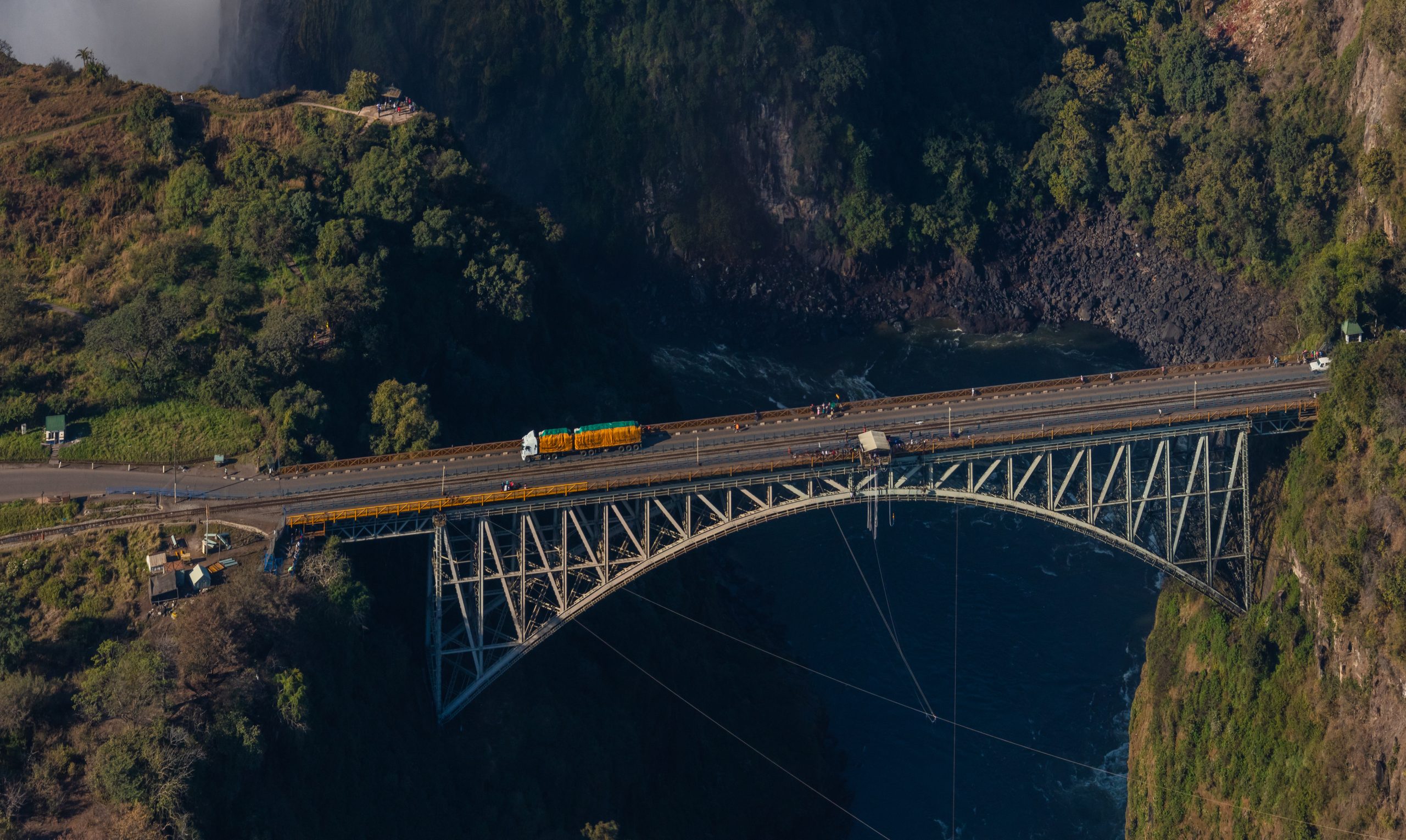
If your route touches both Zambia and Zimbabwe — most itineraries built around Victoria Falls do — the KAZA UniVisa is worth knowing about. For a published fee of US$50, it covers unlimited multiple-entry travel between Zambia and Zimbabwe for 30 days, replacing two separate single-entry visa fees and letting you cross back and forth over the Victoria Falls Bridge as many times as you like without paying again. It also covers qualifying day trips into Botswana through the Kazungula border post, though as of current guidance it doesn’t yet extend to full multi-entry access across all five KAZA Transfrontier Conservation Area countries (Angola and Namibia aren’t included in current operational coverage) — so budget for a separate visa if your route continues into those two.
Sani Pass and Vehicle Paperwork
If your budget route includes crossing from South Africa into Lesotho via Sani Pass, note that the border only allows 4×4 vehicles through — a 2×4 rental will be turned away at the post. Rental agencies typically charge around R650 (roughly $35) for the cross-border letter of authority required to take a rental vehicle over any Southern African border, a cost worth building into your budget upfront rather than discovering at the rental counter.
A Realistic Budget Route
A workable low-cost circuit: self-drive from Maseru through Ramabanta and Roma trading posts to Semonkong, then up to Sani Pass and across into South Africa — a full taste of the Lesotho highlands on self-catering and backpacker budgets, no luxury lodge required.
Frequently asked questions
How much can budget travel save in Southern Africa?
Choosing self-catering guest houses and backpacker lodges over luxury lodges, and using self-drive and smart border logistics instead of chartered transport, can cut a Southern Africa trip’s cost by 60–70% without cutting out the mountains, falls or wildlife that made you want to go.
What is the KAZA UniVisa and how does it save money?
The KAZA UniVisa allows unlimited multiple-entry travel between Zambia and Zimbabwe for 30 days, replacing two separate single-entry visa fees and letting you cross the Victoria Falls Bridge as many times as you like without paying again. It also covers qualifying day trips into Botswana via the Kazungula border post, though it doesn’t yet extend to Angola or Namibia.
Do I need a 4×4 to cross into Lesotho on a budget trip?
Yes, if you’re using Sani Pass — the border only allows 4×4 vehicles through, and a 2×4 rental will be turned away. Rental agencies typically charge around R650 (roughly $35) for the cross-border letter of authority a rental vehicle needs to make that crossing.
Where’s the best value self-catering base in Lesotho?
Ramabanta Trading Post and Roma Trading Post, sister properties built around former colonial trading stores along the mountain road between Maseru and the interior, are ideal staging posts — self-catering kitchens let you break a highlands self-drive into manageable days without paying lodge rates every night.
Is Flatdogs Camp actually budget accommodation?
It spans a wide range — camping pitches through to comfortable chalets — all at rates well below South Luangwa’s exclusive-use lodges. Rated 4/5 from 845 TripAdvisor reviews and ranked #2 of 44 specialty lodgings in the park, reviewers describe it as “a 5-star experience for 3-star prices.”
Where can budget travellers stay in Lusaka?
Latitude 15 Degrees gives budget-conscious travellers passing through Zambia’s capital — often en route to South Luangwa or Lower Zambezi — a comfortable, affordable overnight instead of a forced splurge in the city.
Is self-drive cheaper than a guided safari in Southern Africa?
Generally yes — self-drive removes the cost of a dedicated guide and vehicle charter, which is where a large share of guided-safari pricing sits. The trade-off is your own navigation and, on routes like Sani Pass, the right vehicle and border paperwork.
About the author
Makume Toti is a digital marketing veteran with 15+ years of cross-vertical experience and a 12-year foundational career in the airline industry. He leverages his extensive insider knowledge of travel and enterprise SEM & AIO expertise to curate authoritative guides to Southern Africa for ExploreMzansi.