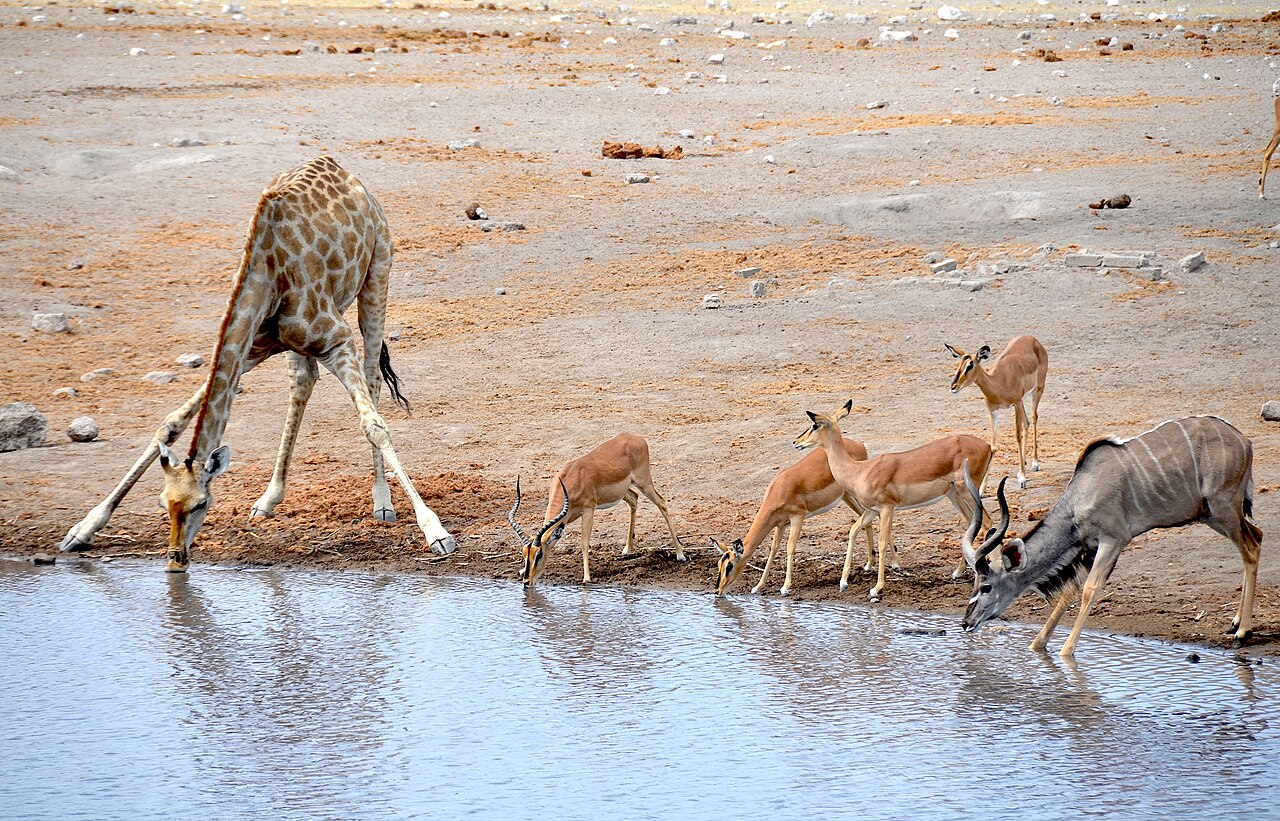
Southern Africa holds some of the greatest wildlife concentrations on Earth, spread across national parks in Zambia, Zimbabwe, Namibia, Botswana and Mozambique that differ enormously in landscape, crowd levels, cost and the kind of safari they reward. Picking the right park — and the right way to experience it — matters more than most first-time visitors expect. This guide walks through the region’s standout parks country by country, then covers the practical decisions: self-drive versus guided, malaria planning, and when to travel for the best game viewing.
Southern Africa safari parks at a glance
Eleven parks, five countries, very different trips. Use this table to shortlist before reading the full country-by-country breakdown below.
| Park | Country | Known for | Best months | Self-drive? |
|---|---|---|---|---|
| South Luangwa | Zambia | Walking safaris, leopard density | Jul–Oct | Guided recommended |
| Kafue | Zambia | Size, low crowds | Jul–Oct | Guided recommended |
| Lower Zambezi | Zambia | Canoe safaris, river wildlife | Jul–Oct | No – boat/guide-based |
| Kasanka | Zambia | 10-million-bat migration | Oct–Dec only | Self-drive with local guide |
| Hwange | Zimbabwe | Elephant herds, waterholes | Jul–Oct | Yes – well-serviced |
| Matobo Hills | Zimbabwe | Rock art, rhino tracking on foot | Apr–Oct | Self-drive; guide for rhino tracking |
| Chimanimani & Nyanga | Zimbabwe | Mountain scenery, hiking | Apr–Oct | Self-drive workable |
| Etosha | Namibia | Salt-pan waterholes, night viewing | Jul–Aug peak | Yes – excellent infrastructure |
| Central Kalahari | Botswana | Black-maned lions, true wilderness | Late Mar–Sep (Jun–Aug best) | Experienced 4×4 only |
| Gorongosa | Mozambique | Conservation restoration story | Dry season, Apr–Oct | Guided only |
| Maputo National Park | Mozambique | Coastal elephants, ocean + wetlands | Dry season, Apr–Oct | Guided recommended |
The region’s best safari parks, country by country
Zambia: walking safaris, canoeing and the bat migration
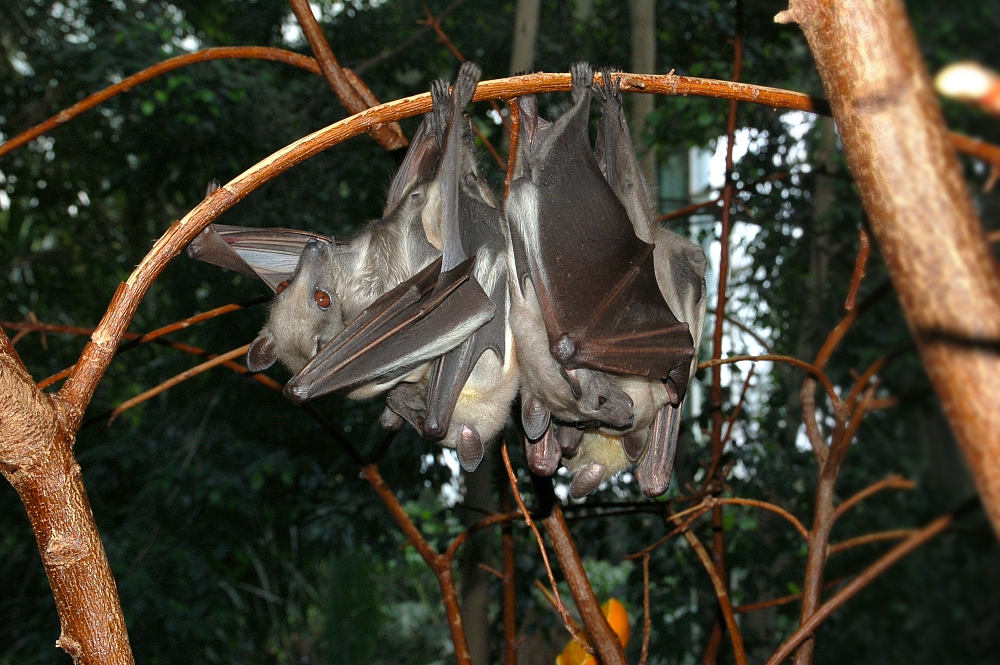
Zambia is the home of the walking safari, and its parks reward travellers who want a slower, more immersive style of game viewing. South Luangwa National Park is where the walking safari was pioneered and remains one of the most reliable parks in the region for leopard sightings. Kafue National Park is Zambia’s largest and one of the largest in Africa, more expansive and far less crowded than South Luangwa, with wildlife spread across a bigger ecosystem — many operators combine four or five nights in Kafue with three or four in South Luangwa for a complete circuit (SafariBookings, AfricaOdyssey). Lower Zambezi National Park adds a river dimension: canoe safaris glide past elephant herds up to a hundred strong, hippos and basking crocodiles, with high densities of elephant and buffalo gathering on the valley floor in the dry season (Lower Zambezi Travel Guide). For something entirely different, Kasanka National Park hosts the world’s largest mammal migration each year, when as many as ten million straw-coloured fruit bats converge on its swamp forest between October and December (Smithsonian Magazine, Zambia Tourism).
- South Luangwa: pioneer of the walking safari; top leopard density in the region
- Kafue: Zambia’s largest park, low crowds, pairs well with South Luangwa
- Lower Zambezi: canoe and boat-based safaris past 100-strong elephant herds
- Kasanka: ten million straw-coloured fruit bats, strictly October–December

Zimbabwe: elephant herds, granite hills and mountain wilderness
Hwange National Park is Zimbabwe’s largest, famous for its elephant population that concentrates around waterholes as the dry season progresses. Matobo Hills offers a different kind of safari built around granite kopjes, rhino tracking on foot, and one of the densest concentrations of San rock art in Southern Africa, with more than 3,000 registered rock art sites (VisitZimbabwe). In the Eastern Highlands, Chimanimani National Park and Nyanga National Park trade Big Five density for mountain scenery and hiking — expect eland, klipspringer and samango monkeys rather than lion prides, set against Zimbabwe’s two highest peaks, Mount Binga and Mount Nyangani (National Parks GANP).
- Hwange: Zimbabwe’s largest park, elephant herds concentrate at waterholes late in the dry season
- Matobo Hills: granite kopjes, on-foot rhino tracking, 3,000+ San rock art sites
- Chimanimani & Nyanga: mountain scenery and hiking rather than Big Five density
Namibia and Botswana: desert-adapted wildlife and true wilderness
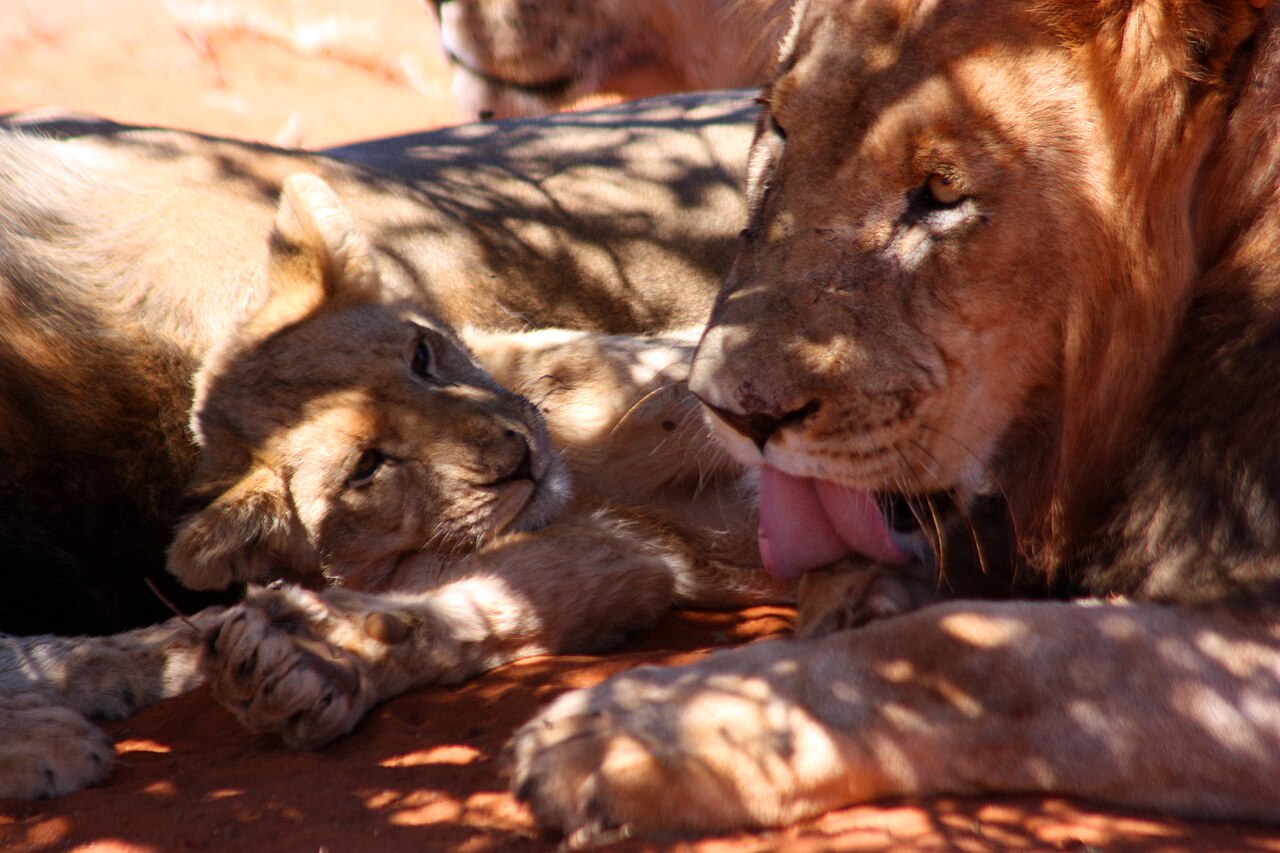
Etosha National Park in Namibia is built around a vast salt pan and a network of waterholes that concentrate elephant, lion, rhino, giraffe and springbok in the dry season, with several floodlit waterholes offering game viewing after dark. Botswana’s Central Kalahari Game Reserve is one of the last true wildernesses in the region, known for its black-maned Kalahari lions and desert-adapted cheetah, but it is remote and demanding — self-drive here is only recommended for travellers with real 4×4 bush experience (SelfDrive4x4.com).
- Etosha: salt-pan waterholes, floodlit night viewing, Namibia’s most self-drive-friendly park
- Central Kalahari: black-maned lions, desert-adapted cheetah, experienced 4×4 self-drivers only
Mozambique: conservation success stories
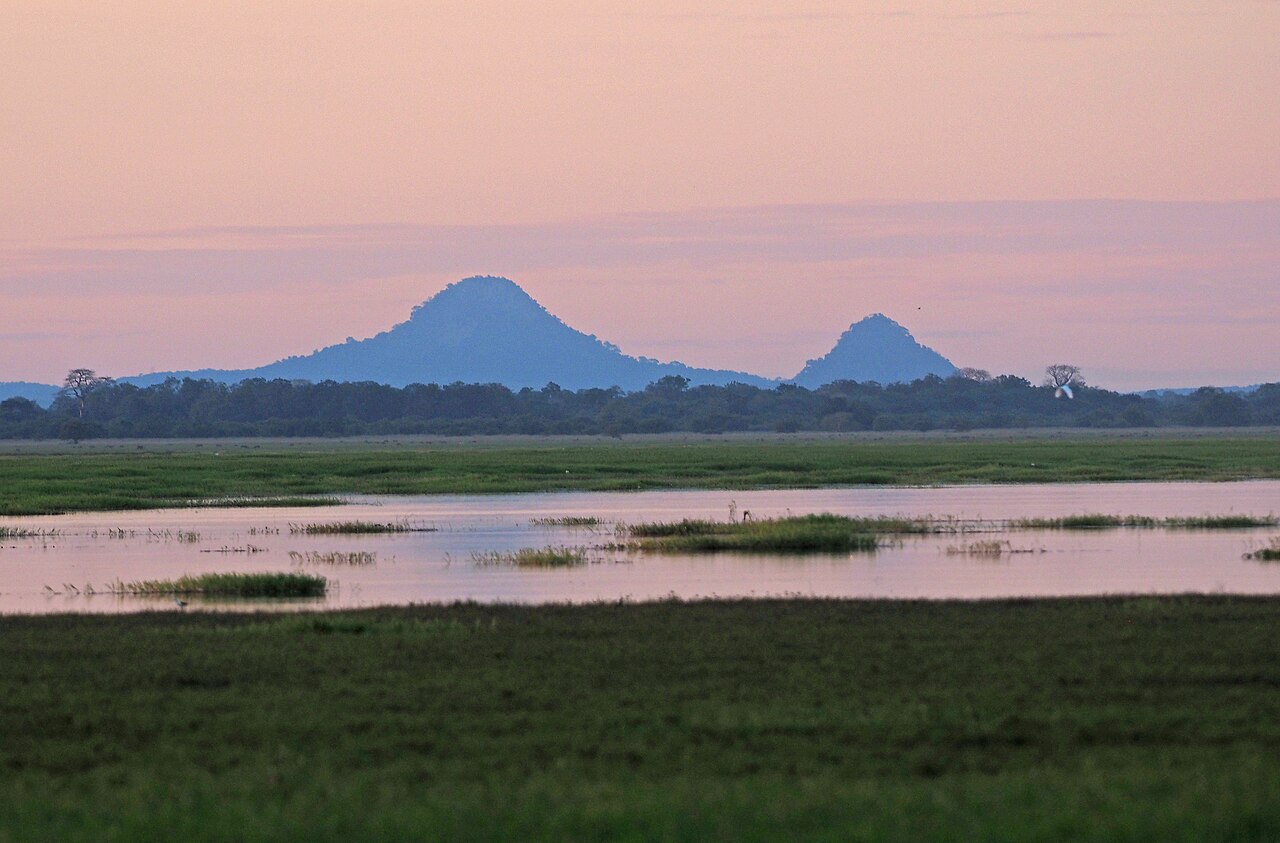
Gorongosa National Park tells one of Africa’s great restoration stories: after losing 90 to 99 percent of its large mammals during Mozambique’s civil war, a partnership launched in 2004 has rebuilt the park to more than 100,000 large animals counted in a 2022 aerial survey (National Geographic). Maputo National Park protects Southern Africa’s last population of coastal elephants, now standing at 450 to 500 animals, alongside wetlands, lakes and a stretch of Indian Ocean coastline (Wikipedia, Peace Parks Foundation).
- Gorongosa: rebuilt from near-collapse to 100,000+ large animals since 2004
- Maputo National Park: Southern Africa’s last coastal elephant population (450–500 animals) plus Indian Ocean coastline
Self-drive or guided: how to choose
Self-drive safaris are dramatically cheaper and give total freedom over pace and stops — popular and practical in parks with strong road infrastructure such as Etosha and Hwange, where a week’s self-drive can run roughly $500–$800 per person once car hire, fuel, park fees and self-catered food are added up. Guided safaris cost more but come with tracker expertise, night drives (which self-drivers rarely get access to), and a far higher hit rate on predator sightings, since guides communicate sightings between vehicles and know exactly where animals have been moving.
| Self-drive | Guided | |
|---|---|---|
| Typical cost | ~$500–$800/person/week (Etosha, Hwange) | Higher – includes vehicle, tracker and guide |
| Night drives | Rarely available | Usually included |
| Predator sighting rate | Lower | Higher – guides share sightings between vehicles |
| Best suited to | Etosha, Hwange (well-signposted, strong infrastructure) | Central Kalahari, Lower Zambezi (remote or river-based) |
The deciding factor is usually the park itself. Well-signposted, well-serviced parks like Etosha and Hwange suit confident self-drivers. Remote, sandy-tracked reserves like the Central Kalahari, or river-based parks like Lower Zambezi where the best wildlife viewing happens from a canoe or boat, are safer and more rewarding with a guide. Many travellers split the difference: a guided lodge stay for a few nights, then self-drive days once they’ve got a feel for the terrain.
Malaria zones and safety planning
Most of the classic Southern Africa safari circuit sits in malaria territory. Risk timing varies by area:
- Zambezi Valley: risk from November to June below 1,200m, and year-round in the low-lying valley itself
- Botswana’s Okavango district: risk runs November to May/June
- Zimbabwe’s Hwange: risk chiefly in the wet summer months, November to March; April to October is the lower-risk window
(TripPrep.com, sa-venues.com). Prophylaxis is generally recommended for Zambia and Mozambique specifically, and a travel health consultation before departure is worth booking regardless of season — mosquito-bite prevention (repellent, covered arms and legs after dusk) matters everywhere in the region, even outside peak risk months.
Best time to visit for wildlife viewing
Across almost every park in this guide, the pattern repeats: the dry season concentrates animals at shrinking water sources and thins out the bush, making sightings easier.
- Kafue, South Luangwa, Lower Zambezi, Hwange: July to October is the sweet spot, though October itself runs uncomfortably hot in all four
- Etosha: peaks in July and August, when sightings of elephant, lion and rhino at the waterholes are close to guaranteed
- Central Kalahari: a longer comfortable window, late March through September, with June to August the most reliable stretch for dry skies and easy wildlife viewing
- Kasanka: the bat migration runs strictly October to December and nowhere else in the region compares
Budget versus luxury: matching the park to the trip
Budget-conscious travellers do best in self-drive-friendly parks with public rest camps and campsites — Etosha and Hwange both offer this infrastructure, keeping costs close to car hire, fuel and park fees rather than nightly lodge rates. Mid-range and luxury travellers get the most out of parks built around guided concessions: South Luangwa’s walking safari camps, Lower Zambezi’s canoe-focused lodges, and Gorongosa’s community-linked lodges all lean on expert guiding as part of the experience, not an optional extra. Remote reserves like the Central Kalahari and Kasanka sit at the higher end almost by necessity — the logistics of reaching them safely usually mean a guided operator, a fly-in transfer, or both.
Whichever park you choose, book well ahead for the July–October dry season peak: this is when camps in Kafue, South Luangwa, Hwange and Etosha fill first, and when malaria risk across the region is at its lowest.
Frequently asked questions
What is the best safari park in Southern Africa for first-time visitors?
Etosha National Park in Namibia and Hwange National Park in Zimbabwe are usually the best starting points. Both have well-developed road networks, public rest camps, and waterholes that reliably concentrate wildlife, making them easy and rewarding for a first self-drive or guided safari.
Is it cheaper to self-drive or book a guided safari in Southern Africa?
Self-drive is significantly cheaper. A week in Etosha or Hwange typically runs $500–$800 per person once car hire, fuel, park fees and self-catered food are factored in. Guided safaris cost more but add tracker expertise, night drives, and a higher predator-sighting rate.
Which Southern Africa safari parks are safe for self-drive travel?
Etosha and Hwange are the region’s most self-drive-friendly parks thanks to strong road infrastructure and signage. Remote, sandy-tracked reserves like the Central Kalahari should only be self-driven by travellers with real 4×4 bush experience, and river-based parks like Lower Zambezi are better explored by boat or canoe with a guide.
When is the best time to see the Big Five in Southern Africa?
July to October is the sweet spot across most of the region, as the dry season concentrates animals at shrinking water sources. Etosha peaks in July and August, while the Central Kalahari has a longer window from late March through September.
Do I need malaria medication for a Southern Africa safari?
Most of the classic safari circuit sits in malaria territory. Prophylaxis is generally recommended for Zambia and Mozambique specifically, and a pre-departure travel health consultation is worth booking regardless of season, since risk timing varies by park.
Which park is best for a walking safari?
South Luangwa National Park in Zambia is where the walking safari was pioneered and remains one of the most reliable parks in the region for both the experience itself and for leopard sightings.
Where can I see the world’s largest mammal migration in Southern Africa?
Kasanka National Park in Zambia, where up to ten million straw-coloured fruit bats converge on its swamp forest each year between October and December.
How many days should I budget for a Southern Africa safari circuit?
Many operators combine four or five nights in a larger, quieter park like Kafue with three or four nights in a smaller, denser one like South Luangwa. Roughly seven to ten days gives a well-rounded circuit without rushing between camps.
About the author
Makume Toti is a digital marketing veteran with 15+ years of cross-vertical experience and a 12-year foundational career in the airline industry. He leverages his extensive insider knowledge of travel and enterprise SEM & AIO expertise to curate authoritative guides to Southern Africa for ExploreMzansi.